


What are the classifications of roller conveyor equipment?
Roller conveyor is a common material‑handling conveying equipment, widely used in production lines, warehouses, wharves and other sites. Its main function is to transport materials from one location to another quickly and conveniently, improving production efficiency and reducing labor costs. Let’s take a detailed look at roller conveyors.
I. Components of Roller Conveyor
A roller conveyor mainly consists of the following parts:
Drive Unit: Composed of motor, reducer, coupling and other components to provide power.
Roller Assembly: Including steel rollers with bearings, support frames, tie rods and other parts for material rolling transportation.
Belt Conveyor: Optional accessory for conveying small‑size materials, frequently applied in precision processing procedures.
Support Frame: Supports the whole roller‑conveyor system; its height and length can be adjusted according to customer requirements.
Cleaning Device: Consists of cleaners, scrapers and periodic‑cleaning assemblies to remove dirt, dust and other impurities.
Roller Conveyor Equipment
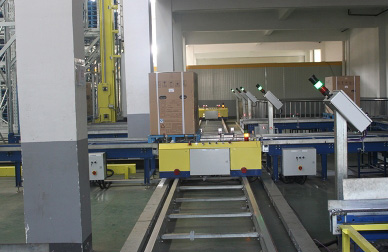
II. Classification of Roller Conveyors
Based on different material conveying requirements, roller conveyors fall into the following types:
Heavy‑duty Roller Conveyor: Designed for heavy‑weight or large‑size materials such as ore, coal and steel products.
General‑purpose Roller Conveyor: Suitable for regular goods including cartons and bagged materials, mostly used for logistics transfer on production lines.
Sanitary‑grade Roller Conveyor: Applied for materials with special hygiene requirements in food, pharmaceutical and other industries, such as beverages, wine and medicines.
Screw Roller Conveyor: Mainly used for powder and granular materials, capable of horizontal, inclined and vertical conveying.